The Hope of Global New Energy: not Necessarily Photovoltaic, But Hydrogen
Not only photovoltaics, but also the lightest and most abundant No. 1 element in the universe-hydrogen, may be the hope of global new energy in the future. The latest research report released by Bank of America Merrill Lynch Haim Israel stated that hydrogen can meet global energy demand, provide fuel for cars, heat homes, and help cope with climate change. It is expected that by 2050, the market share will soar 6 times, resulting in 2.5 Trillion dollars in direct revenue, indirect infrastructure market potential is as high as 11 trillion dollars.
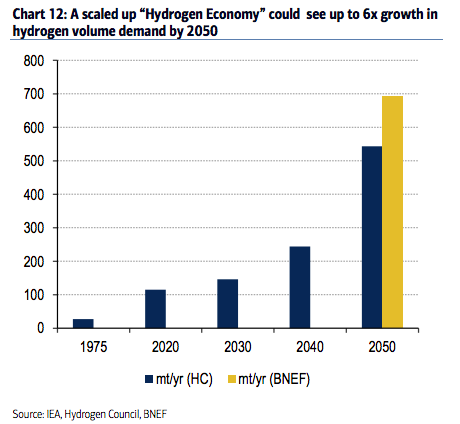
Bank of America Merrill Lynch believes that hydrogen technology has existed for decades, but it has not yet reached the critical point of mainstream use. The future integration of economic, technological, and environmental development will change this situation:
1. The cost of electrolyzers and renewable energy used to produce green hydrogen has decreased
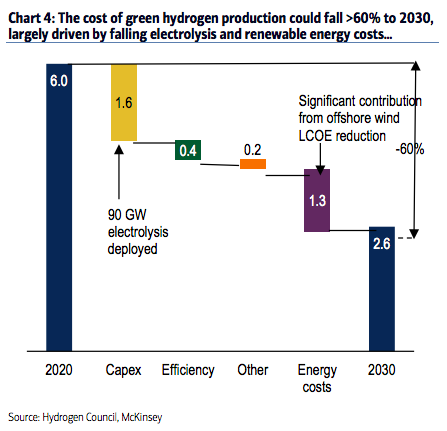
According to data from Bank of America Merrill Lynch, the cost of electrolyzers and renewable energy used to produce green hydrogen has fallen by 50% in the past five years. The bank predicts that this cost will be further reduced by 60% to 90% in the next ten years.
2. Improvement of fuel cell and electrolyzer technology
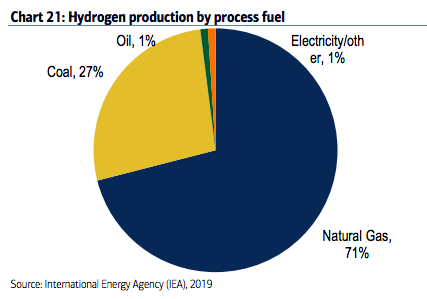
Why is it now starting to pay attention to green hydrogen? Merrill Lynch said that as of 2007 the smart phone in which the environment like now, "Internet" appeared again, is expected to make hydrogen use efficiency and flexibility is greatly enhanced. At present, hydrogen development is not a green industry. At present, 99% of hydrogen is made from fossil fuels, which is more than the emissions of the entire aviation industry, and the efficiency of hydrogen power generation is only 16%. Bank of America Merrill Lynch said that by 2030, the cost of green hydrogen needs to fall by 85% to compete with fossil fuel-derived hydrogen.
This cost reduction will be driven by improvements in fuel cell and electrolyzer technology.

At the same time, the governments of the European Union, China and Australia have begun to provide strong policy support, while raising carbon prices while providing funding for the development of green hydrogen.

3. Global focus on decarbonization and sustainable development, expanding potential end markets
More and more countries have signed a legally binding commitment to achieve zero carbon emissions by 2050. Bank of America Merrill Lynch believes that to achieve this goal, the only viable clean molecule is hydrogen. Renewable energy power generation cannot be completely decarbonized. At present, 80% of the world's energy still comes from fossil fuels rather than renewable energy. Green hydrogen may be the key to combating global warming. Bank of America Merrill Lynch predicts that by 2050, green hydrogen will provide 24% of our energy needs and help reduce emissions by 30%.
Who are the beneficiaries?
Bank of America Merrill Lynch said that hydrogen will have the greatest impact on industries that cannot use renewable energy for power generation to achieve decarbonization. Since the renewable capacity required for green hydrogen production will increase 10 times by 2050, hydrogen technology suppliers and renewable energy utility companies will be the beneficiaries. The industrial natural gas and chemical industries should gain a share of this energy supply and self-decarbonization. Other industries that cannot be solved by electrification, such as steel, heating and transportation, can be transformed. In contrast, with the transformation of the end market, the demand for fossil energy will decline. For example, if road transportation is completely transformed by 2050, oil demand will drop by another 20%.


Comments
Post a Comment
Please let me if you have any question